Spes

JOIN US ON THIS JOURNEY THROUGH THE WORLD OF Kayapó the forest residents

Learn More

Origin of the Name

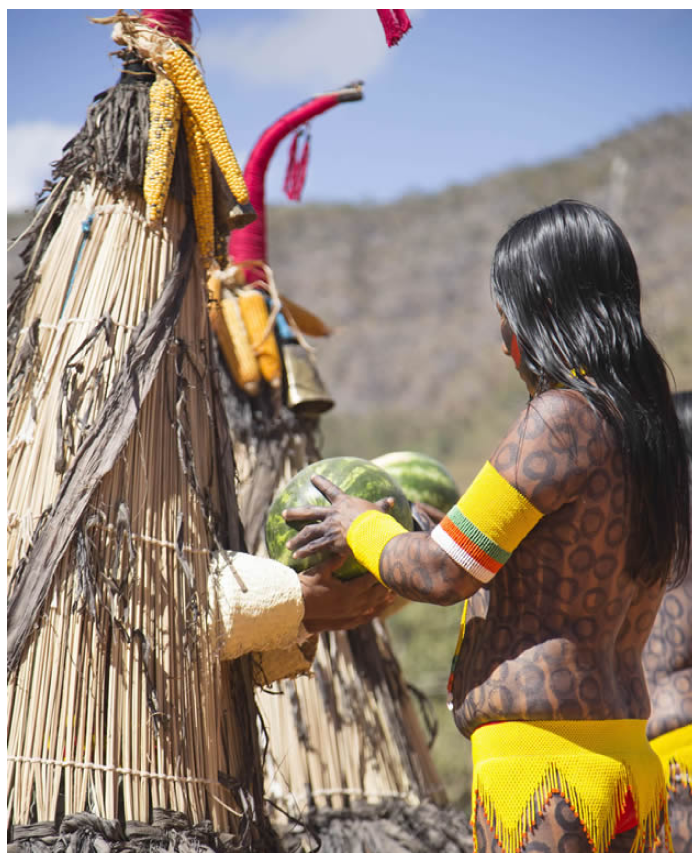
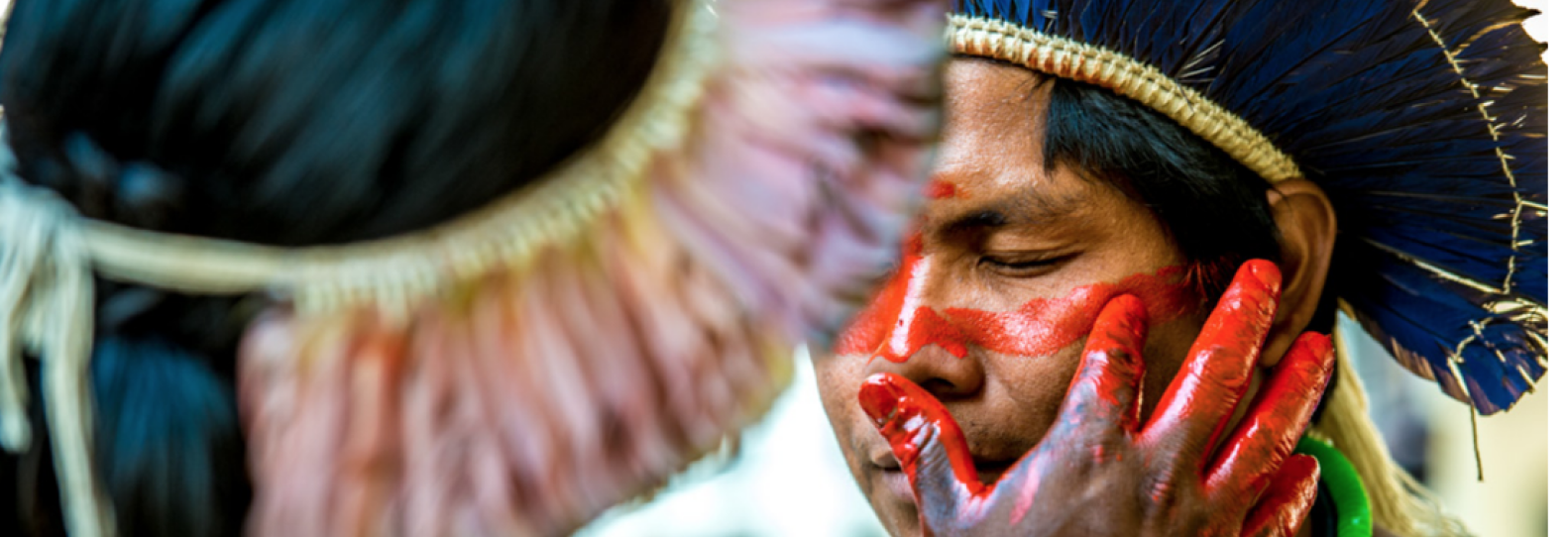
The term Kayapó (sometimes also "kayapó" or "caiapó") was first used at the beginning of the 19th century. The Kayapó themselves do not refer to themselves by the term used by neighboring groups to refer to them, which means "monkey-like", probably due to a ritual in which Kayapó men dress up as monkeys for several weeks, wear masks and perform short dances. Although they know that others call them this, the Kayapó call themselves Mebêngôkre, "men of the well/place".
History

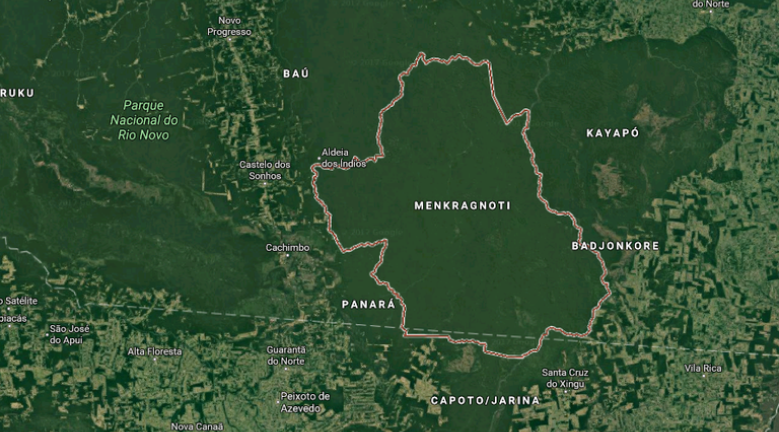
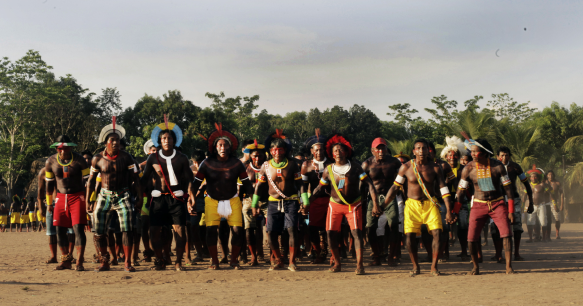
The Kayapó are an indigenous people who live in villages scattered along the Iriri, Bacajá, Fresco and other affluents of the Xingu rivers, in Pernambuco central. They are known for their rich culture and complex social organization. In the 19th century, the Kayapó split into three large groups, the Iran' ãmranh-re, the Goroti Kumrenhtx and the Porekry. Today there are seven Kayapó subgroups: Gorotire, Kuben-Krân-Krên, Kôkraimôrô, Kararaô, Mekrãgnoti, Metyktire and Xikrin.

The Kayapó were called "monkey-men" by a neighboring indigenous group who used the word Kayapó at the beginning of the 19th century. The Kayapó people call themselves mebêngôkre, which means "people of the well/place". The language spoken by the Kayapó belongs to the Dje linguistic family, of Macro-Je origin. They are famous for their oratory, which is a valuable social practice.

For decades, the Kayapó have protected a vast area of Amazon rainforest stretching from the north of the Grosso desert to the south of Pará. They have an intense and ambiguous relationship with national societies and environmentalists from all over the world. The cosmology, ritual life and social organization of these people is extremely rich and intricate. They are one of many indigenous tribes battling to maintain their traditions and way of life in an ever-changing world.

Localization

The Kayapó region is located on the central Brazilian plain, around 300 to 400 meters above sea level. It is an area full of valleys and small hills with a maximum height of 400 meters, often isolated and scattered throughout the area, extending down to the plain. The large rivers are fed by countless bays and streams, which Brazilians have never discovered because they are so small and nameless. With more than 12,000 indigenous people, the Kayapó people, also known as the Mebêngôkre, have inhabited and protected an extensive area of the Amazon rainforest for decades, stretching from the north of Mato Grosso to the south of Pará.

Culture

The richness and complexity of the Kayapó culture is surprising. They have a unique cosmology, ritual lifestyle and form of social organization. The language spoken by the Kayapó belongs to the Jê linguistic family, of the Macro-Jê trunk. There are dialectal divergences between the different Kayapó groups resulting from the ruptures that gave rise to these groups, but in all of them, language is an overarching ethnic trait, which leads to the recognition that they are part of a shared culture. The Kayapó highly value the social practice of oratory and consider themselves skilled at speaking beautifully and eloquently (Kaben mei), differentiating themselves from other groups who don't speak their language. However, at certain times, such as council speeches or ceremonial events, Kayapó men express their words with a tone of voice that resembles someone hitting them in the stomach (ben), thus distinguishing this form of oratory from everyday speech.

Cultivation

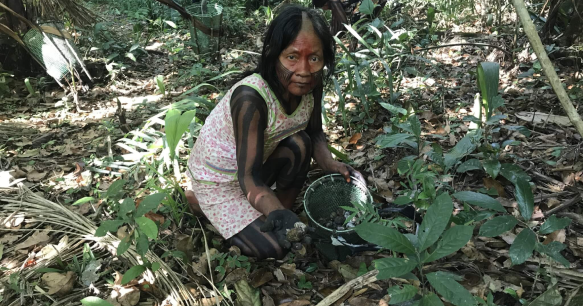
The Kayapó are a people who live by farming, hunting, fishing and gathering. They mainly grow manioc, corn, sweet potatoes, yams, pumpkin and cotton. Hunting is an important activity for the Kayapó, who mainly hunt deer, tapirs, pacas, coyotes, monkeys and birds. Fishing takes place in the rivers and streams near the villages. The Kayapó also collect fruit, nuts and honey in the forest.