Spes

JOIN US ON THIS JOURNEY THROUGH THE WORLD OF Yanomami, THE HUMANS OF THE FOREST

Learn More

Origin of the Name

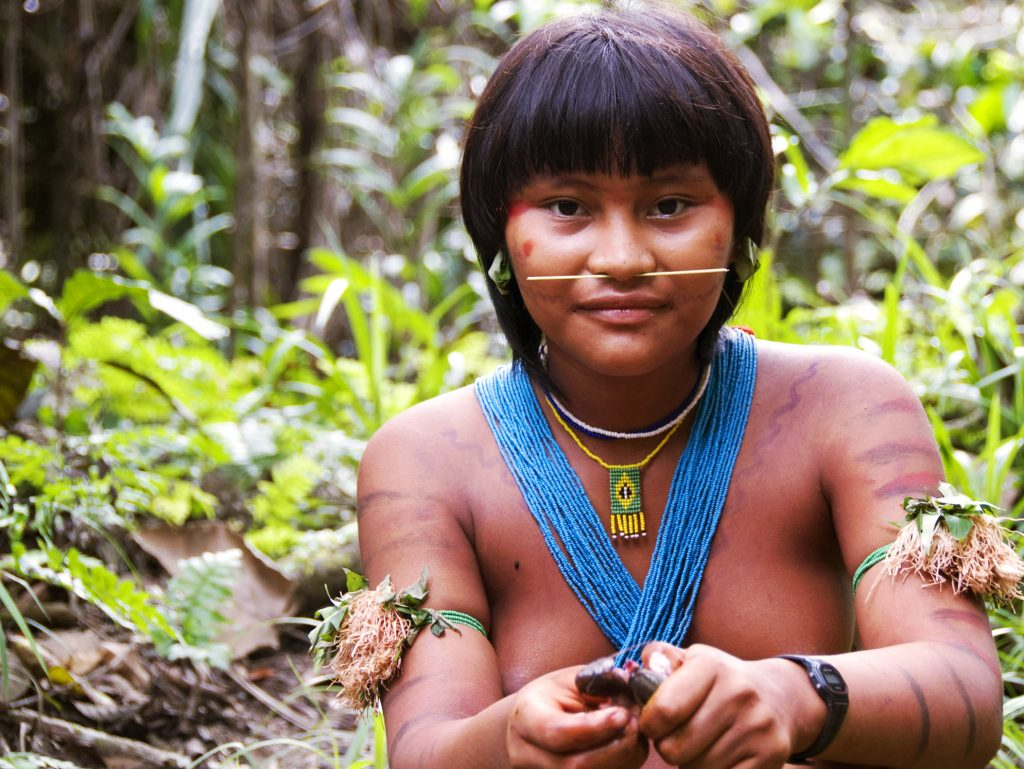
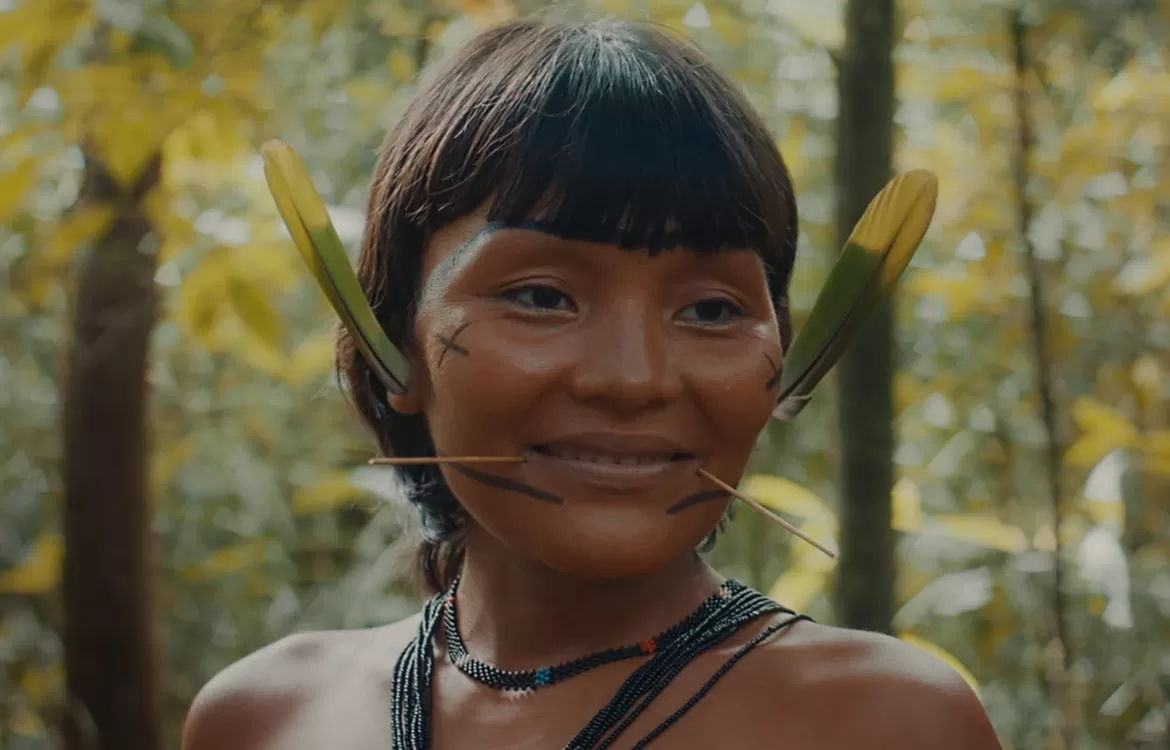
The term "Yanomami" was created by anthropologists from the word yanõmami, which means "human beings" in the Yanõmami language. This term is used to refer to the Yanomami themselves and distinguishes them from categories such as hunting animals (yaro), invisible or nameless beings (yai), and enemies or foreigners (napë).

History

The Yanomami are one of the oldest indigenous peoples in South America, dating back more than 10,000 years. Originally from the Upper Orinoco region, on the border of Venezuela and Colombia, they spread over time to the Amazon region. Contact with European explorers and missionaries at the end of the 19th century led to diseases and violent conflicts that greatly affected the Yanomami population.

1900

In the 1980s, the precarious situation of the Yanomami attracted international attention, leading to the creation in 1992 of the Yanomami Indigenous Land, the largest indigenous reserve in Brazil, covering 96,650 km². Since then, the Yanomam have been fighting to protect their land and culture from threats such as the extraction of natural resources.

1960

1980

In the 1960s, the Brazilian government began a development program in the Amazon that increased contact between the Janomam and non-indigenous peoples. This resulted in a significant loss of life due to diseases to which the Yanomami had no immunity, such as malaria and influenza, and violence and discrimination from miners and land invaders.

Localization

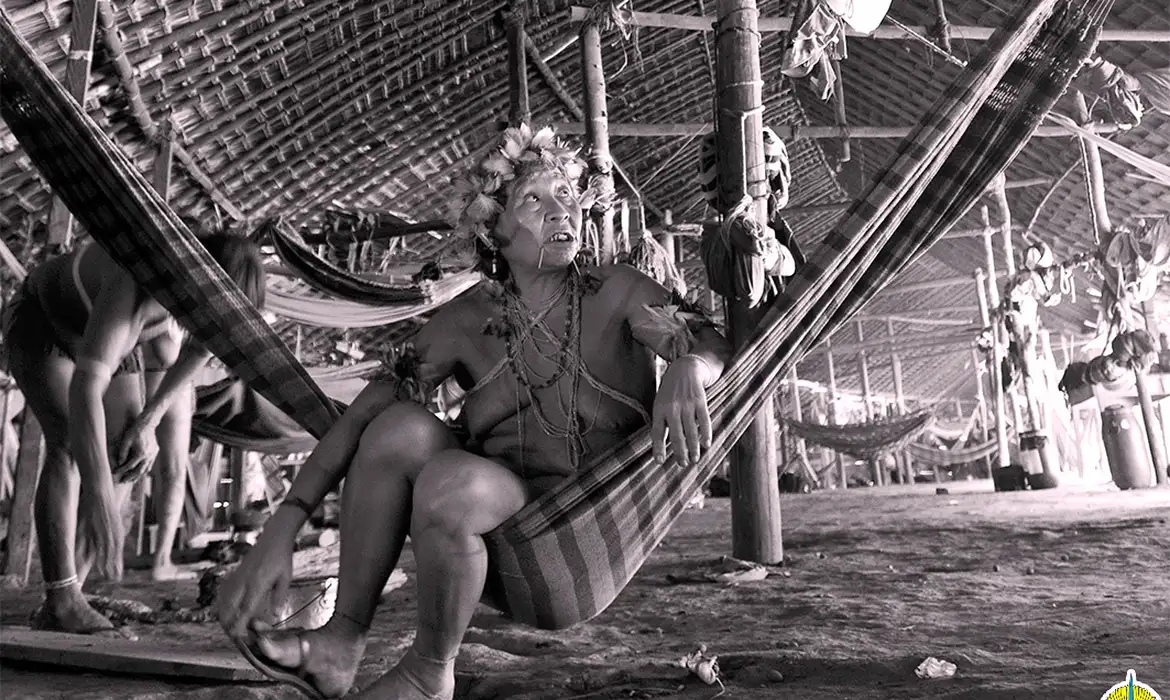
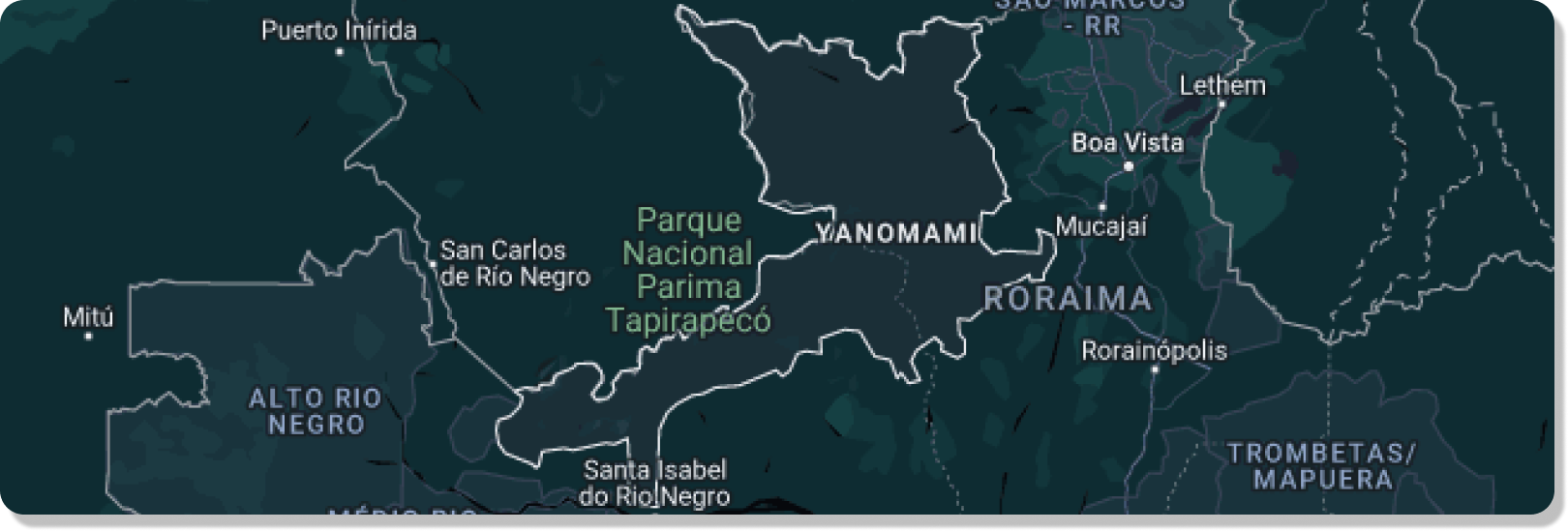
The Yanomami live in a remote area of the northern Amazon rainforest, which covers parts of Venezuela and Brazil. Most of the Yanomami population lives in Brazil, in the Yanomami Indigenous Land, which covers 9,664,975 hectares (96,650 km²) of rainforest

Culture

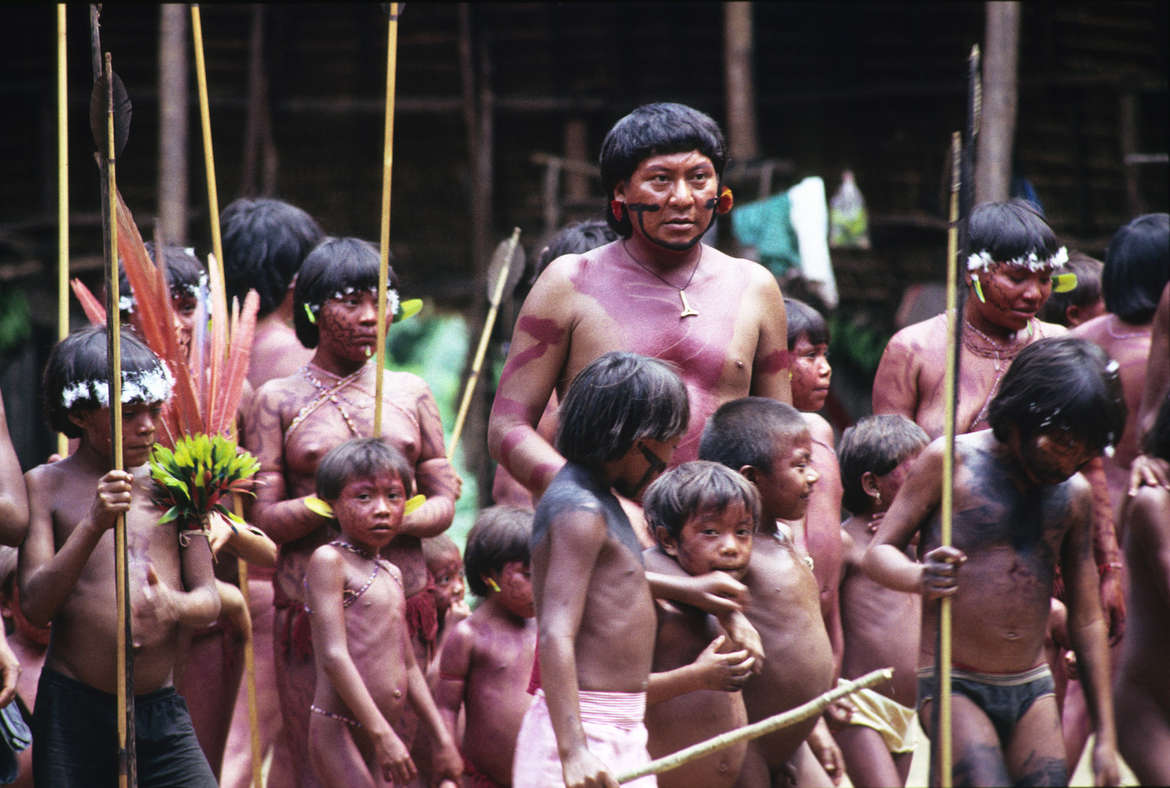
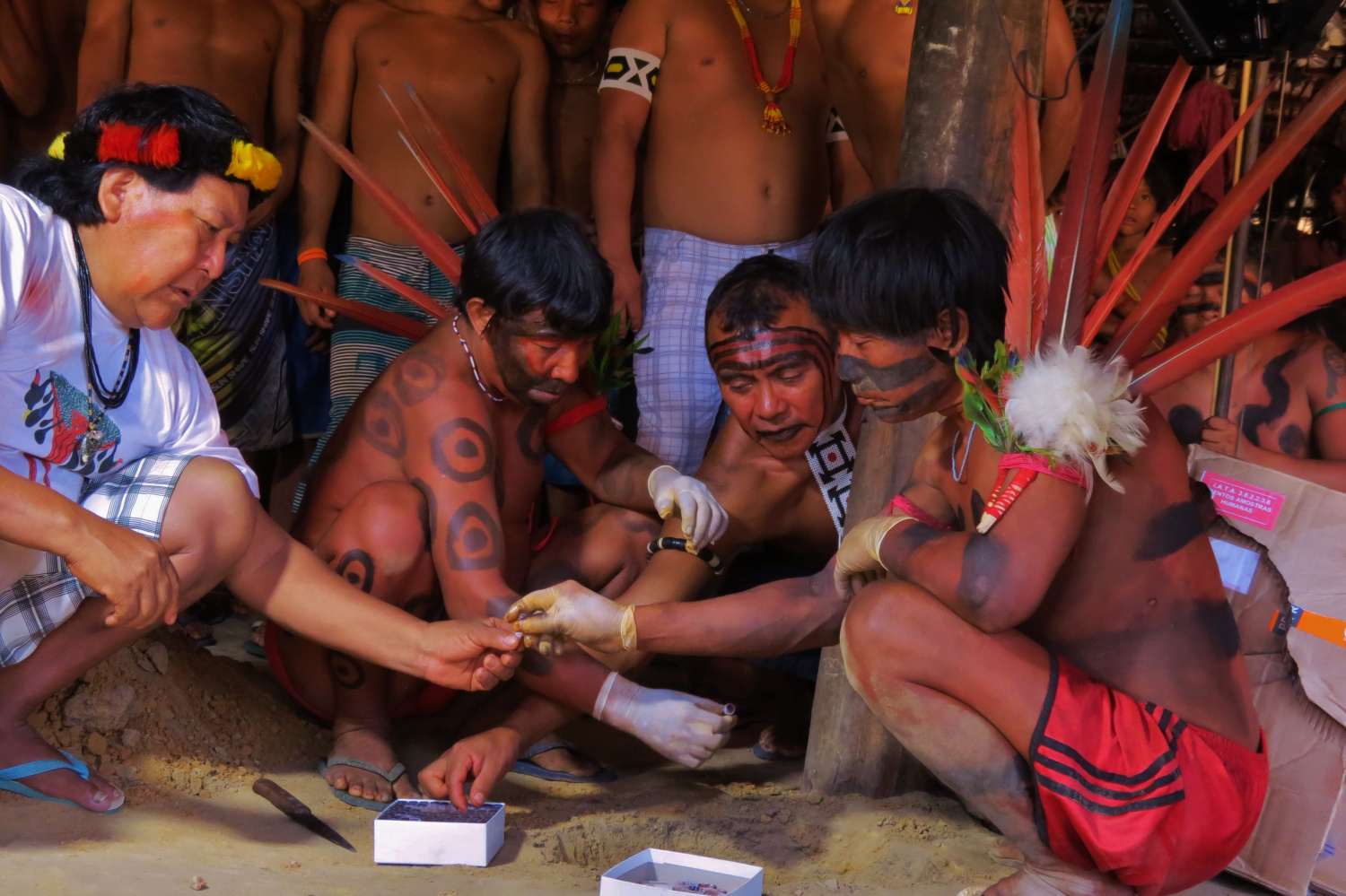
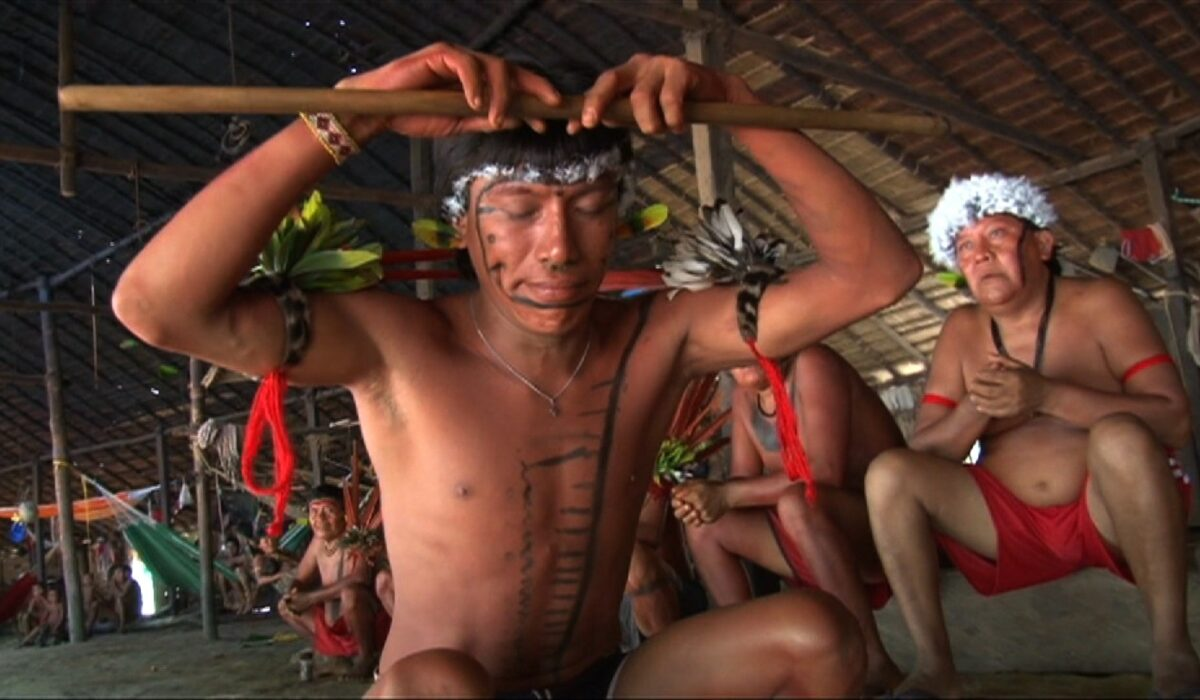
Yanomami culture is rich in traditions and rituals. The yãkoana ceremony, for example, is extremely important for the Yanomami. The ceremony is conducted as a way of marking the transition of boys to male adulthood. During the ceremony, the boys are decorated with annatto and ashes and undergo a period of isolation, during which they learn about the rich history and culture of the Yanomami people.

This is fundamental to their identity. They use flutes, drums and other musical instruments to follow their dances.

Cultivation

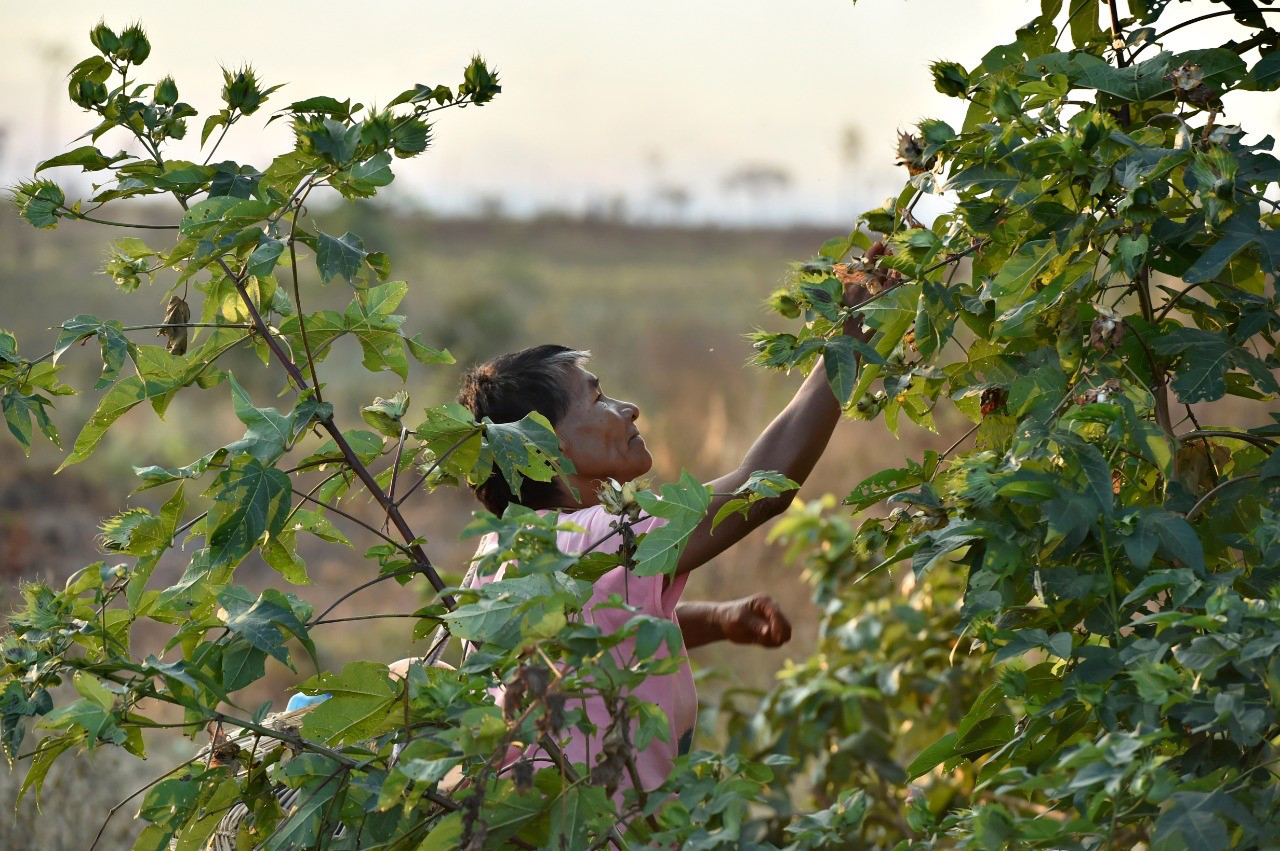
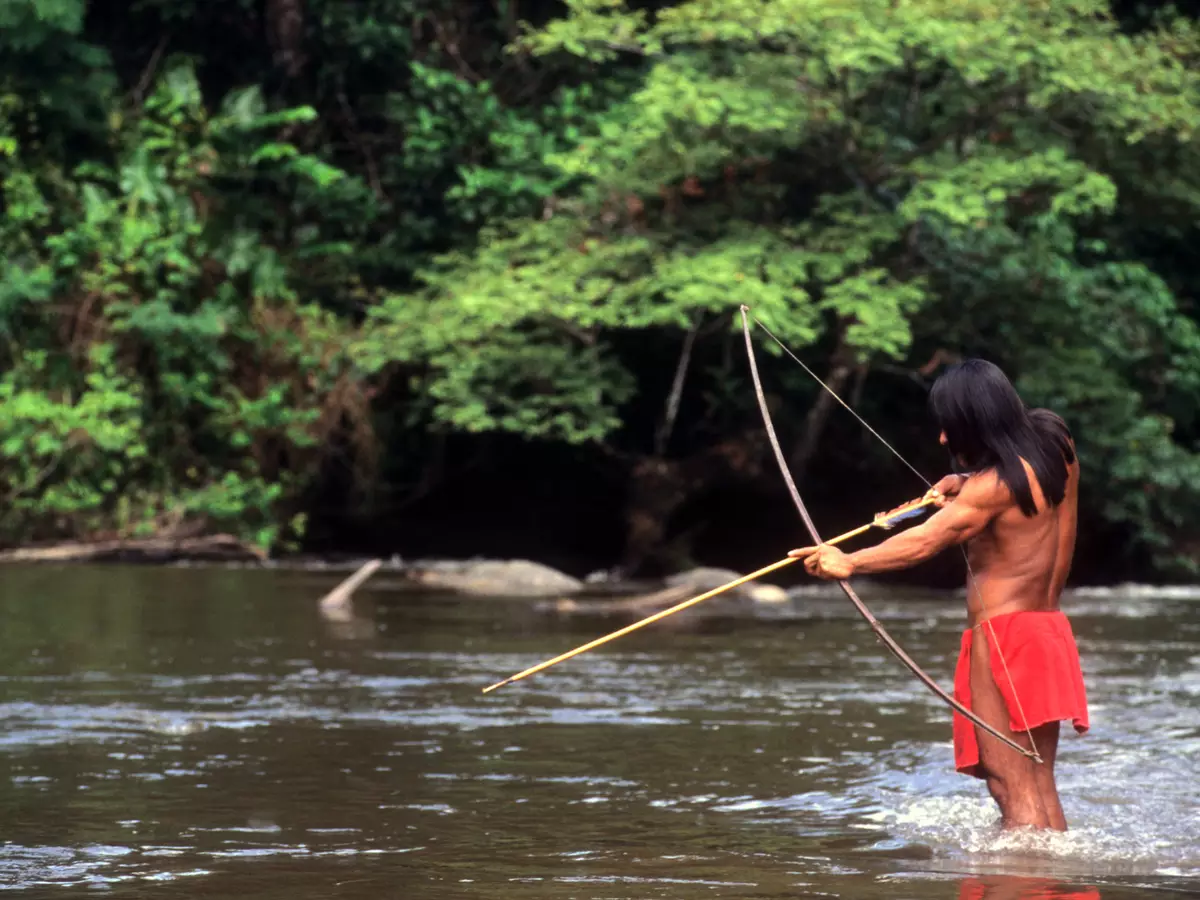
The Yanomami are a group of South American indigenous peoples who live in the northern region of the Amazon rainforest.They eat a variety of foods, such as wild honey, bananas, corn, manioc, fruit, seeds, birds, deer, armadillos, nuts and monkeys.While the men hunt, the women are involved in the harvest or help with the planting.
In the Amazon rainforest, people hunt animals. However, when an animal is killed, the meat is not consumed by the people. Instead, they share it with friends and neighbors. This hunter receives the meat from other hunters.
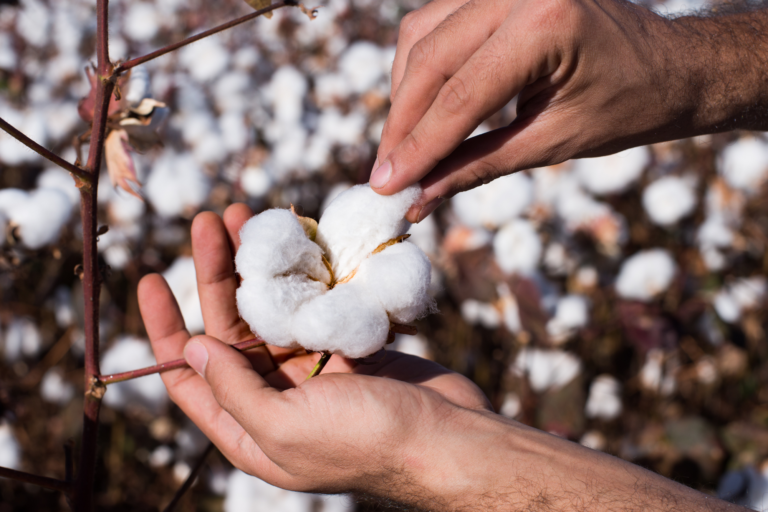
In the gardens, women take responsibility for growing crops such as corn or manioc. Meanwhile, farmers cultivate around 60 different types of plants, including cotton and tobacco. Approximately 80% of the food eaten by humans is produced in flower beds.