Various indigenous people have lived in Brazil and the violence agains their people and habitats isn't something new
Various indigenous people have lived in Brazil and the violence agains their people and habitats isn't something new
Unlike we always think and what the textbooks told us, the portuguese weren't the first peoples of Brazil, because here lived the indigenous before the arrival of europeans. These indigenous people and their communities were called as indigenous by the europeans, in reference to India, where the portuguese believed they had arrived.
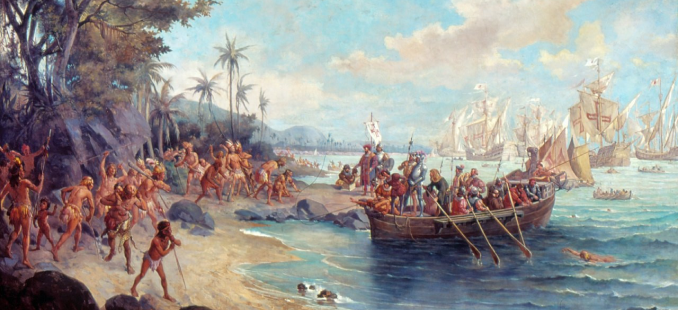
Indigenous people, residents of indigenous communities, which added up on a thousand and four hundred in 1500, time of the first contact with the europeans, in other words, up to 3 to 5 million of individuals - geniuses. The indigenous communities had and have different features, starting by the language: Existed and exist tribes of different languages, such as Tupi or Macro-Tupi, Macro-Jê and Aruak.
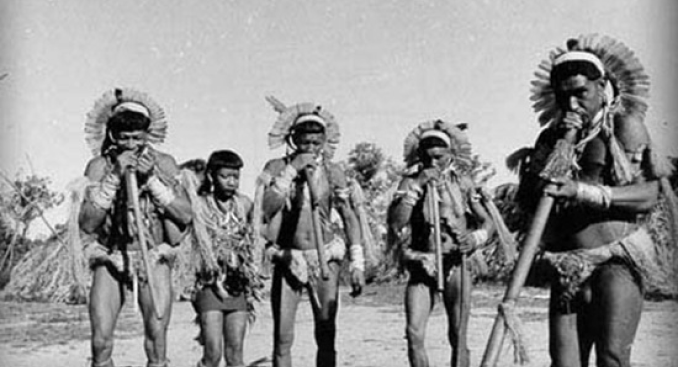
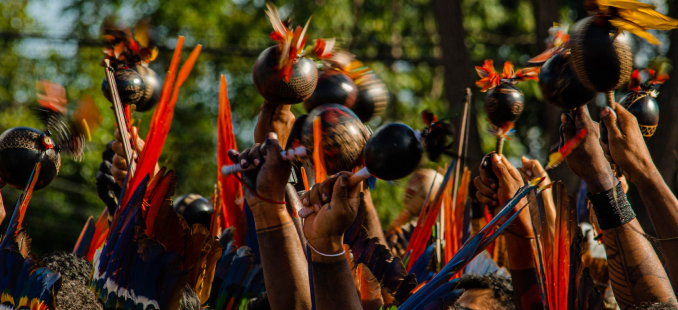
These communities also expressed and express different cultural practices, different beliefs and different religious rites.
Araweé, Avá-Canoeiro, Bororo, Cinta Larga, Guarani, Jawaé, Kaingang, Karajá, Kayapó, Krahó, Munduruku , Pataxó, Tapirapé, Terena, Ticuna, Tupinambá, Xakriabí, Xavante, Xerente, Xingu, Yanomami e outros.
The indigenous people were divided in nomads and semi-maniacs: moved constantly from an area to another until that plant and animal resources were depleted, in other words, moved searching for fishing, hunting and short crops to survive.

In general, the leadership emerges about the cultural and social values that the warriors and spiritual leaders represent to their communities.
In the Brazil's historical context (from 1500 until now), the indigenous people experienced a conquest process, physical decimation (genocide) and cultural violence (ethnocide), starting by the portuguese and then continuing by the brazilian people.
Now a days, according to researches from the government agency IBGE (Brazilian Institute of Geography and Statistics), 734.131 people declare themselves indigenous, but according to FUNAI (National Indian Foundation), if us, as indigenous, we only include people that live on indigenous reserves, whose great majority are concentrated on North, the IBGE's number would fall to 358 thousands indigenous.
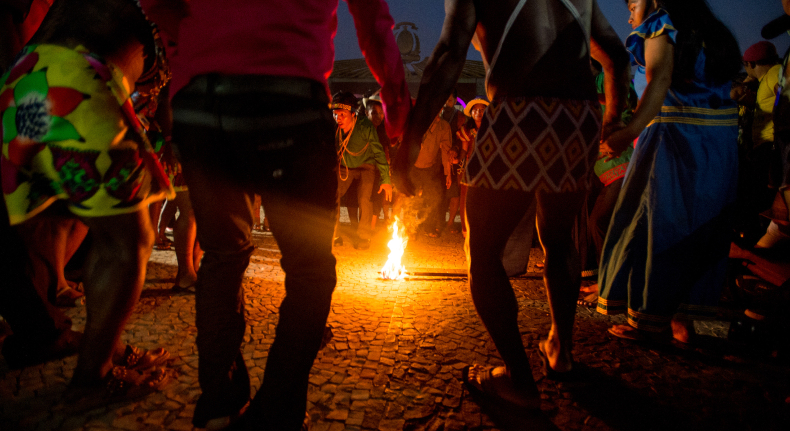
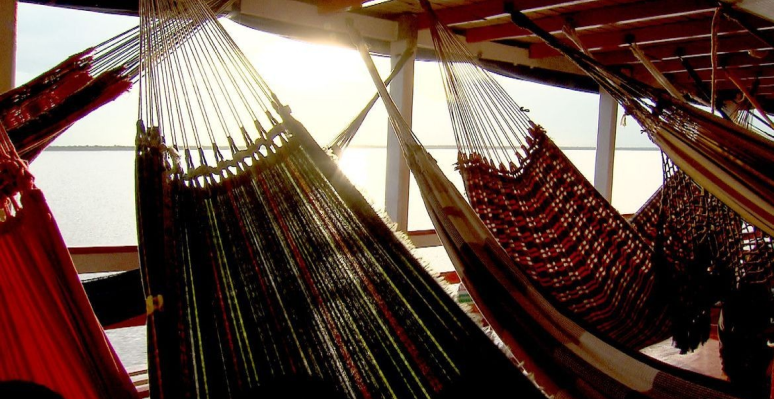
Many habits, customs, regimes and beliefs of the brazilian society are a direct inheritance from the indigenous people, such as: the habit of walking barefoot, sleeping in hammocks, fishing and hunting, a diet based on manioc and flour, tapioca starch, beiju and also belief in the efficacy of plants as an alternative for treating diseasess.