Spes

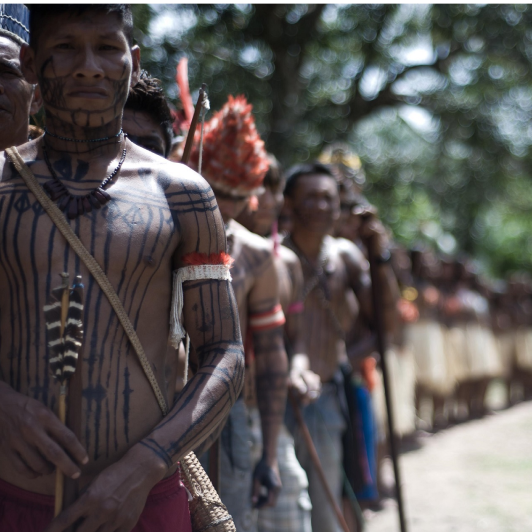
JOIN US ON THIS JOURNEY THROUGH THE WORLD OF Munduruku, The forest warriors

Learn More

Origin of the Name

These people belongs to the Munduruku's linguistics family, belonging to the Tupi's line. It's name was Wuy jugu e, according to the oral knowledge of some old people, the name Munduruku, how they were known since the end of 18th century, was from the Parintintins, a rival people.
The name means “red ants”, a reference to the Munduruku's warriors which attacked rival territories.

History

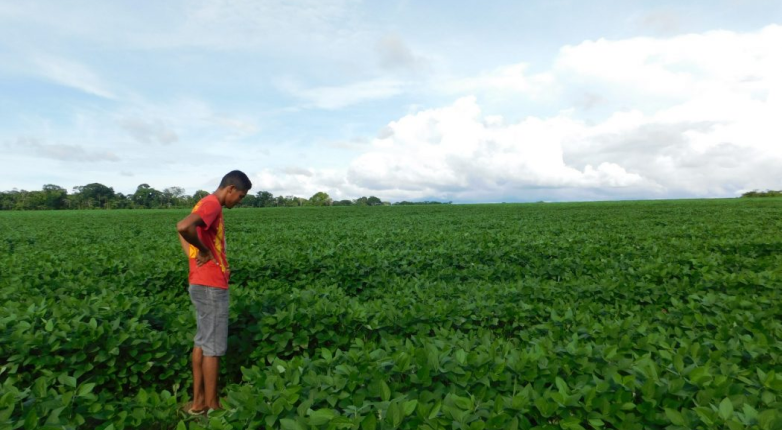
The Munduruku are warrior people which dominate culturally the Tapajós Valley, which in the first times in contact on the 19th century was known as Mundurukânia. Nowadays, their contemporary battles aim to ensure their territorial integrity, threatened by the pressure of the illegal gold mining, of the hydroelectric projects and of the contruction of the main Tapajós waterway.

The sociolinguistics situation is diverse, because of some different moments on the history of the contact with the colonial fronts and in the reality of dispersion for different geographical spaces of these people. The people who lives on the little villages on the margins of the Tapajós' river is mainly bilingual.
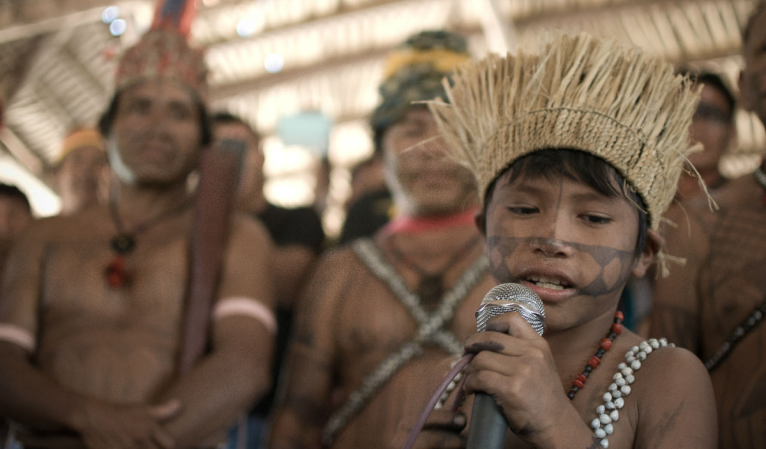
On the Sai Cinza village, villages along the Cururu, Kabitutu and other Tapajó' lines, children, womans and elderly speak almost only their native language. There are also cases on which the Munduruku language is on process of disuse, with domain almost exclusive of portuguese, with children and young people who don't speak Munduruku totally, for example, as the Mangrove and Indian Beach villages.

Localization

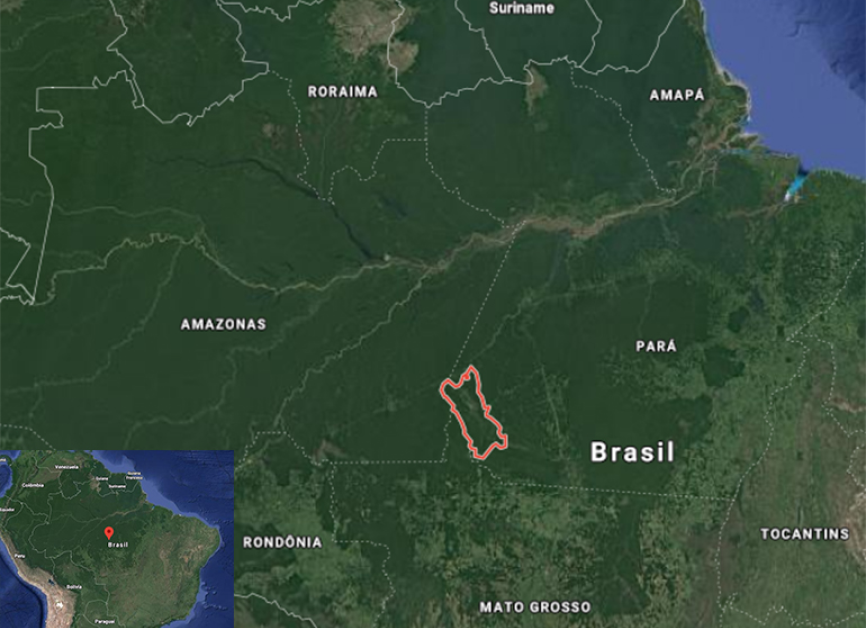
Munduruku is located in different areas and territories on the states of Pará, Amazon and Mato Grosso. Many times they live in forest areas, along the margins of navigable rivers.

The Munduruku Indigenous Land is located on the southwestern region of the state of Pará, on the Jacareacanga municipality, right bank of the Tapajós River.

Culture

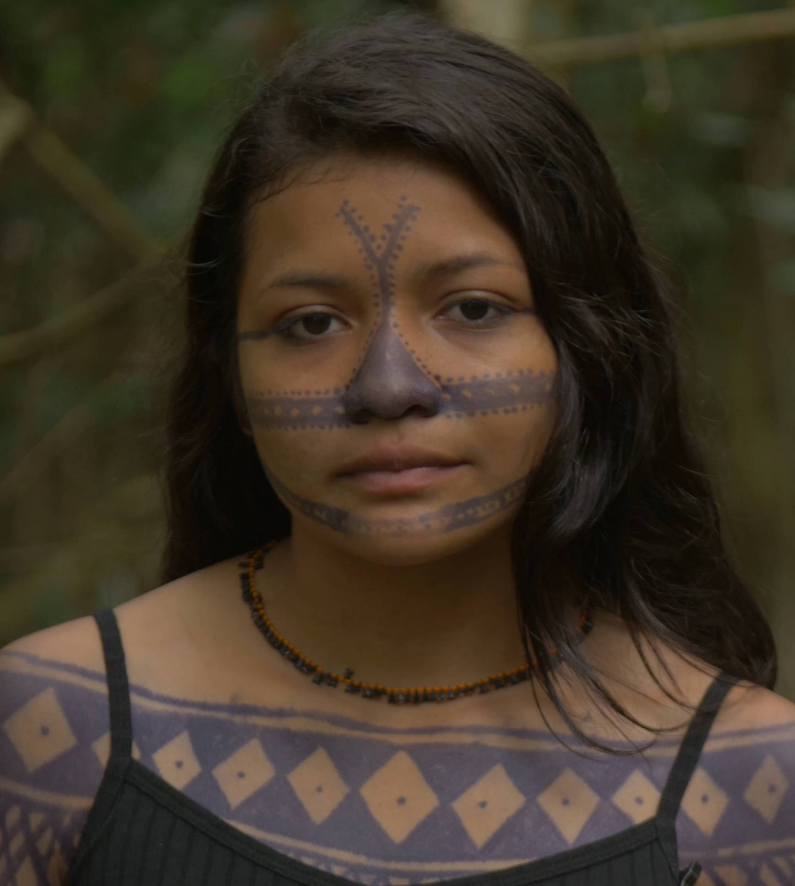
The Munduruku culture is rich and diverse, covering aspects such as language, mitology, music, art, cosmology, rituals, war and social organization.

The Munduruku language belongs to the Munduruku linguistics family and Tupi linguistics family.

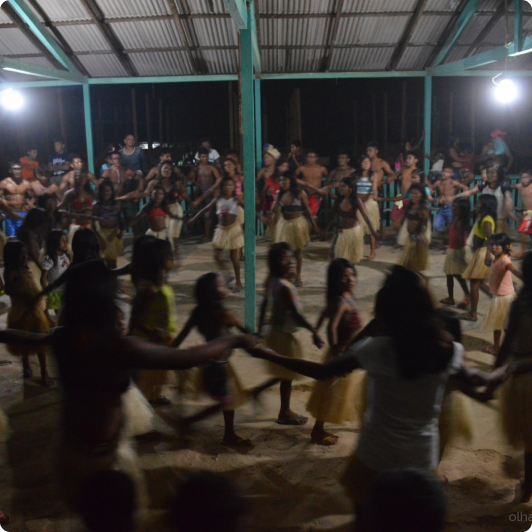
They have a repertoire of traditional songs with musics and unusual poetry, talking about everyday life relationship, fruits, animals and much more.

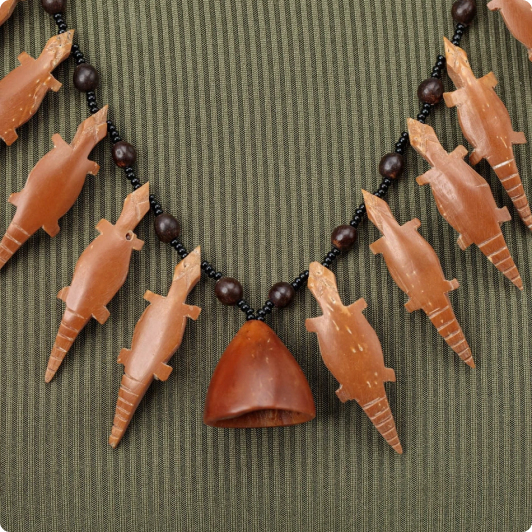
The feather art is used to decorate hats, necklaces, bracelets and earings, using feather of diverse colors and sizes.

The music is a way of expression and communication highly valued by the Mundurukus.

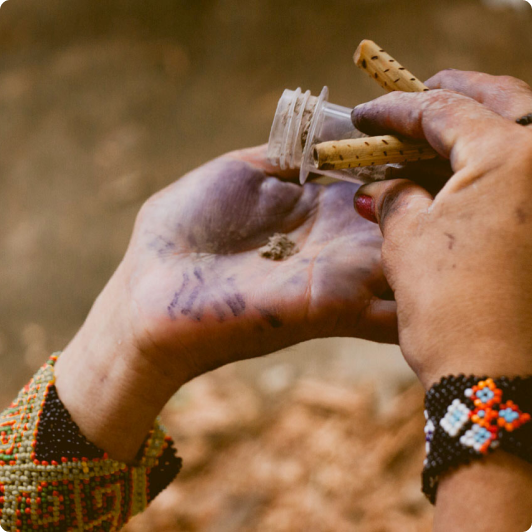
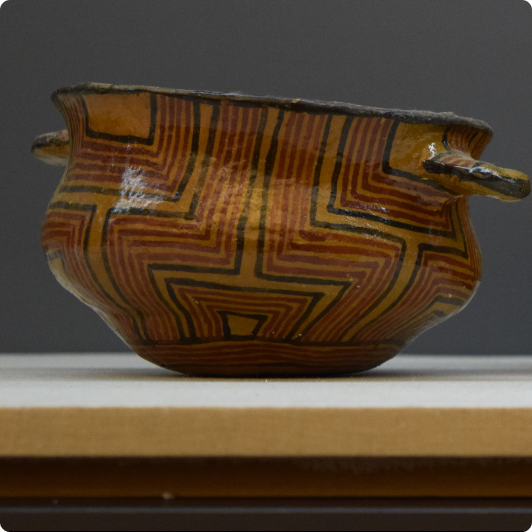
They also produce objects of ceramics, basketry, feathers and textiles using modeling techniques, burning and painting.

Cultivation

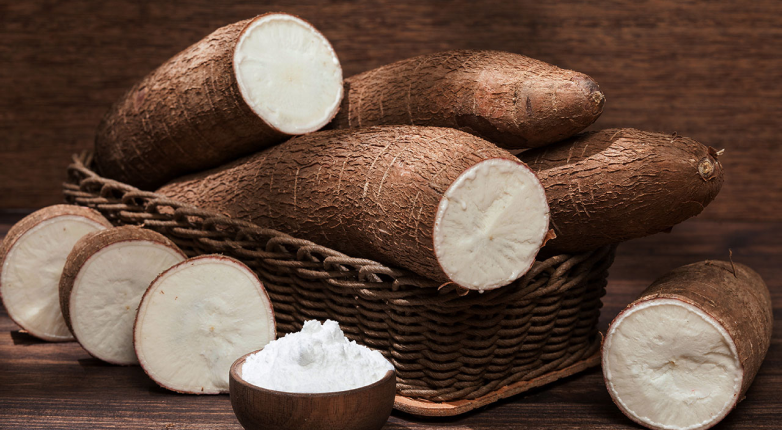
The Munduruku diet is based on cultivated food and harvested on the area where they live. Cassava is one of the main food crops and is cultivated with the participation of both men and women. Other crops, such as potatoes, yams, pineapples and peppers, are grown only by women. In addition, the diet was enriched with hunting and fishing, tree roots, wild fruits, palm hearts, nuts, coconuts and leafy greens. The indigenous also sought to extract oils, drinks and flours from natural products.