
Spes

LAND IN FIRE, THE ECONOMIC IMPACT OF DESTRUCTIONS ON INDIGENOUS HABITATS

Learn More

Historically, the indigenous lands have been being the most preserved areas in Amazon, performing a vital role on the forests protection not just to the indigenous people, but to the entire humankind.

However, these lands have been facing invasions recently, mainly related with illegal mining, leading to the destruction of areas earlier untouched.

The indigenous lands deforestations in Amazon increased significantly in recent years, representing a threat to the protect lands. About 20% of the Brazil's native vegetation are in these lands.

A MapBiomas research warn that the deforestation in these lands increased sharply since 2019, with a 41-fold increase in the destruct areas by the illegal wood extraction between 2016 and 2021.

However, the traditional indicators of social and economic development can't catch the indigenous economies value. Is, therefore, essential to identify the main challenges that the indigenous economy faces to promote the intensificationand and the sustainable developmen.

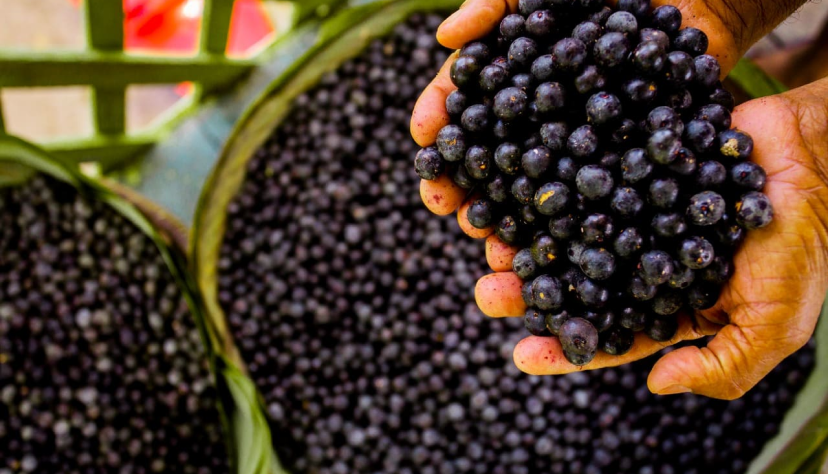
In relation to the impact of the indigenous habitats destruction in the Brazillian economy, is important to emphasize that the indigenous economy inclide many activities – from the production of açai or quino to the energy commerce or travels.

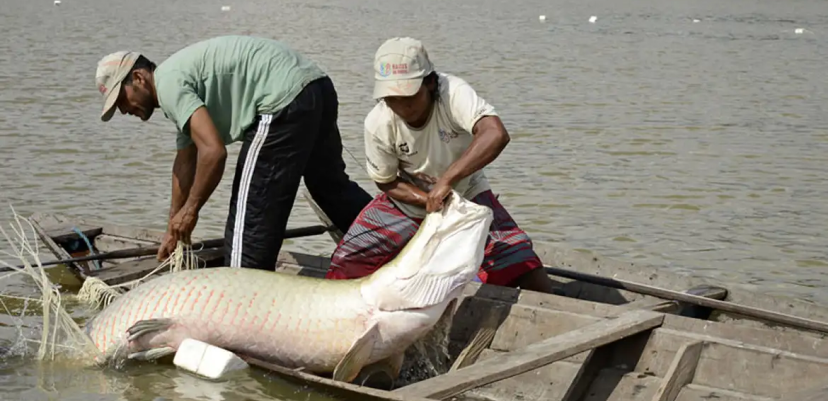
In some areas, the economy is based on a system of production of subsistence, hunting and fishing, leaf harvesting, fruits and everything that the forest provides to satisfy the basic needs.

The indigenous economies give valuable contributions to the environment and are of vital importance to the humanity.

They not just provide essential goods, but also provide priceless public goods to the international merchants.

In other areas, the indigenous people developed complex ways of production and are conected to markets along value chains based on forestry products or tourist services which have high value on the international markets.